Implementation of the Single Sign-On (SSO) System in the Integration of ASN Digital Services: A Case Study at the Communication and Informatics Office of Sidoarjo Regency
Implementasi Sistem Single Sign-On (SSO) dalam Integrasi Layanan Digital ASN: Studi pada Diskominfo Kabupaten Sidoarjo
DOI:
https://doi.org/10.21070/jkmp.v14i1.2085Keywords:
SSO, government digitalization, civil servant services, application integrationAbstract
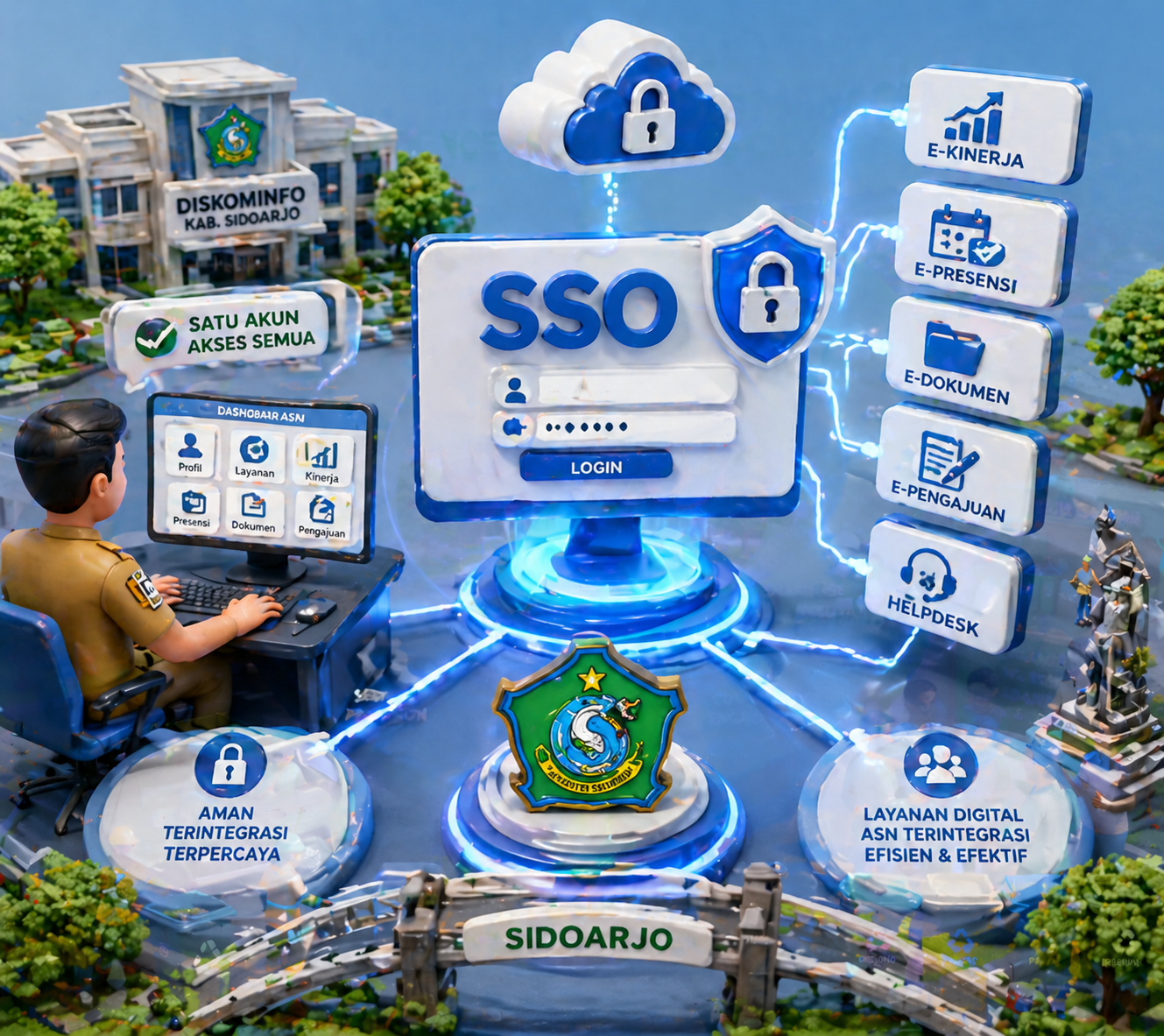
The development of the Electronic-Based Government System (SPBE) requires the integration of effective, safe, and efficient digital services for the State Civil Apparatus (ASN). One of the problems faced by local governments is the fragmentation of the application system that requires users to perform repeated authentication, thereby reducing work efficiency and increasing information security risks. This study aims to analyze the implementation of the Single Sign-On (SSO) System in the integration of ASN digital services at the Sidoarjo Regency Communication and Information Office. The research method used is a descriptive qualitative approach with data collection techniques through observation, interviews, and documentation studies during internship activities. The analysis of policy implementation was carried out using the Edward III model which includes aspects of communication, resources, disposition, and bureaucratic structure. The results of the study show that the implementation of SSO is able to increase the efficiency of digital service access, simplify the authentication process, and support the integration of ASN's internal applications. However, the implementation of SSO still faces obstacles in the form of limited digital literacy for some users, data insynchronization between applications, and the need to strengthen information security governance. Therefore, optimizing SSO implementation requires increasing human resource capacity, integrating more integrated databases, and socializing and strengthening internal regulations on an ongoing basis
References
Budi, M. H. S., Fitri, A. Z., & Sulistyorini. (2026). Model Strategi Fungsional dan Operasional dalam Penguatan Tata Kelola PTKIS. Dirasah : Jurnal Studi Ilmu Dan Manajemen Pendidikan Islam, 9(1), 197–212. https://doi.org/https://ejournal.iaifa.ac.id/index.php/dirasah/article/view/2958
Fauzan, A. (2024). Model Implementasi Kebijakan Publik. Innovative: Journal of Social Science Research, 4(3), 17929–17938. https://doi.org/ttps://doi.org/10.31004/innovative.v4i3.12674
Fauzi, A., Aprilla, I. N., Fauziyyah, N., & Bachtiar, N. F. (2025). Implementasi Multi-Faktor Authentication, Single Sign-on dan Role-Based Access Control dalam Keamanan Sistem Informasi (Studi Literature Review). Fibonacci: Jurnal Ilmu Ekonomi, Manajemen Dan Keuangan, 2(1), 33–45. https://doi.org/10.63217/fibonacci.v2i1.256
Handika, D. Y., Mulyana, R., & Ambarsari, N. (2019). Analisis Arsitektur Enterprise Sistem Pemerintahan Berbasis Elektronik Menggunakan Kerangka Kerja TOGAF ADM (Studi Kasus: Disparbud Kabupaten Bandung Barat). Systemic: Information System and Informatics Journal, 5(1), 48–54. https://doi.org/10.29080/systemic.v5i1.634
Laary, Y., Tulusan, F., & Dengo, S. (2022). Implementasi Kebijakan Keamanan dan Ketertiban di Desa Baru Kecamatan Ibu Selatan Kabupaten Halmahera Barat. Jurnal Administrasi Publik, 8(120). https://doi.org/https://ejournal.unsrat.ac.id/v3/index.php/JAP/article/view/42250
Marseni, P. I., & Prabawati, N. P. A. (2025). Implementasi Kebijakan Sistem Kinerja Pegawai Online (SiKePo) pada Dinas Pariwisata Provinsi Bali. Socio-Political Communication and Policy Review, 2(3). https://doi.org/10.61292/shkr.243
Murti, Y. R., Afgani, F. Al, & Rijanandi, T. (2025). Towards an Integrated Authentication System: Single Sign-On (SSO) Architecture for Higher Education Applications. Journal of Computer Engineering, Electronics and Information Technology (COELITE), 4(2), 119–132. https://doi.org/https://doi.org/10.17509/coelite.v4i2.90335
Pora, S., Muksin, D., & Rahmat, A. F. (2025). Implementasi Program Makan Bergizi Gratis Pada Pemerintahan Prabowo-Gibran: Solusi dan Tantangan. Jurnal Noken: Ilmu-Ilmu Sosial, 11(2), 635–694. https://doi.org/10.33506/jn.v11i2.4352
Pratama, A. R., Firmansyah, F. M., & Rahma, F. (2022). Security awareness of single sign-on account in the academic community: the roles of demographics, privacy concerns, and Big-Five personality. PeerJ Computer Science, 8, 918. https://doi.org/10.7717/peerj-cs.918
Putri, R. M., Lisdiana, L., & Hakim, A. R. (2023). Implementasi Kebijakan Kodefikasi Dan Nomenklatur Perencanaan Pembangunan Dan Keuangan Daerah Di Dinas Lingkungan Hidup Dan Pertanahan Provinsi Sumatera Selatan. @-Publik: Jurnal Administrasi Publik, 3(1), 1–9. https://doi.org/10.37858/publik.v3i1.346
Raysa, A., Muslem, I., & Sriwinar. (2024). Implementasi Single Sign On (SSO) Menggunakan Protokol OAuth Pada Sistem Informasi Kampus. JETI: Jurnal Elektronika Dan Teknologi Informatika, 5(2), 74–90.
Rijali, A. (2019). Analisis Data Kualitatif. Alhadharah: Jurnal Ilmu Dakwah, 17(33), 81. https://doi.org/10.18592/alhadharah.v17i33.2374
Rizky, A. M., Pratiwi, M. P., Chairunnisa, A., Aiko, I. A., & Ariesmansyah, A. (2025). E-Goverment: Meningkatkan Efisiensi dan Efektivitas Pelayanan Publik di Indonesia. Innovative: Journal of Social Science Research, 5(1), 2070–2089. https://doi.org/https://doi.org/10.31004/innovative.v5i1.17827
Silaban, B. (2025). Etika Profesi Sebagai Instrumen Manajemen Dalam Pengendalian Konflik Internal Dan Optimalisasi Kinerja Ekonomi Di Organisasi Pemerintah Daerah Tapanuli Utara. Manajemen: Jurnal Ekonomi, 7(3), 994–1010. https://doi.org/10.36985/7t9nf845
Sudrajat, V. V., Adityo, R. D., & Arizal, A. (2025). Simulation of the Single Sign-On Method for Service Provider Applications: A Case Study of Bhayangkara University Surabaya. Journal Of Informatics And Telecommunication Engineering, 9(1), 36–47.
Victory, R. P., & Syaifullah, H. (2024). Analisis Swot Dalam Meningkatkan Efektivitas Pengelolaan Industri Di Jawa Timur Melalui Integrasi Data Oss Dan Siinas Dengan Single Sign-On. JATI (Jurnal Mahasiswa Teknik Informatika), 9(1), 808–815. https://doi.org/10.36040/jati.v9i1.12487
Wicaksono, H. R., Kabetta, H., Hadiprakoso, R. B., & Qomariasih, N. (2025). Implementasi Single Sign-On (SSO) dengan pendekatan Alaca’s Framework untuk Peningkatan Keamanan Layanan Web Terintegrasi. JEPIN (Jurnal Edukasi Dan Penelitian Informatika), 11(1), 18–26.
Wulandari, D., Gumilang, S. F. S., & Mulyana, R. (2021). Perancangan Enterprise Architecture Layanan Spbe (E-Government) Di Lingkungan Pemkab Sukabumi. JURTEKSI (Jurnal Teknologi Dan Sistem Informasi), 8(1), 19–26. https://doi.org/10.33330/jurteksi.v8i1.1204
Downloads
Published
License
Copyright (c) 2026 Ilmi Usrotin Choiriyah, Isnaini Rodiyah, Eni Rustianingsih

This work is licensed under a Creative Commons Attribution 4.0 International License.